Hanoi is a city that is constantly moving. With more than 1,370 streets and roads stretching over 2,300 kilometers, the city has a huge and complex transportation network. There are also more than 570 bridges, including major bridges such as Chương Dương, Vĩnh Tuy, Thanh Trì, Nhật Tân and Thăng Long, as well as pedestrian bridges and tunnels throughout the city.
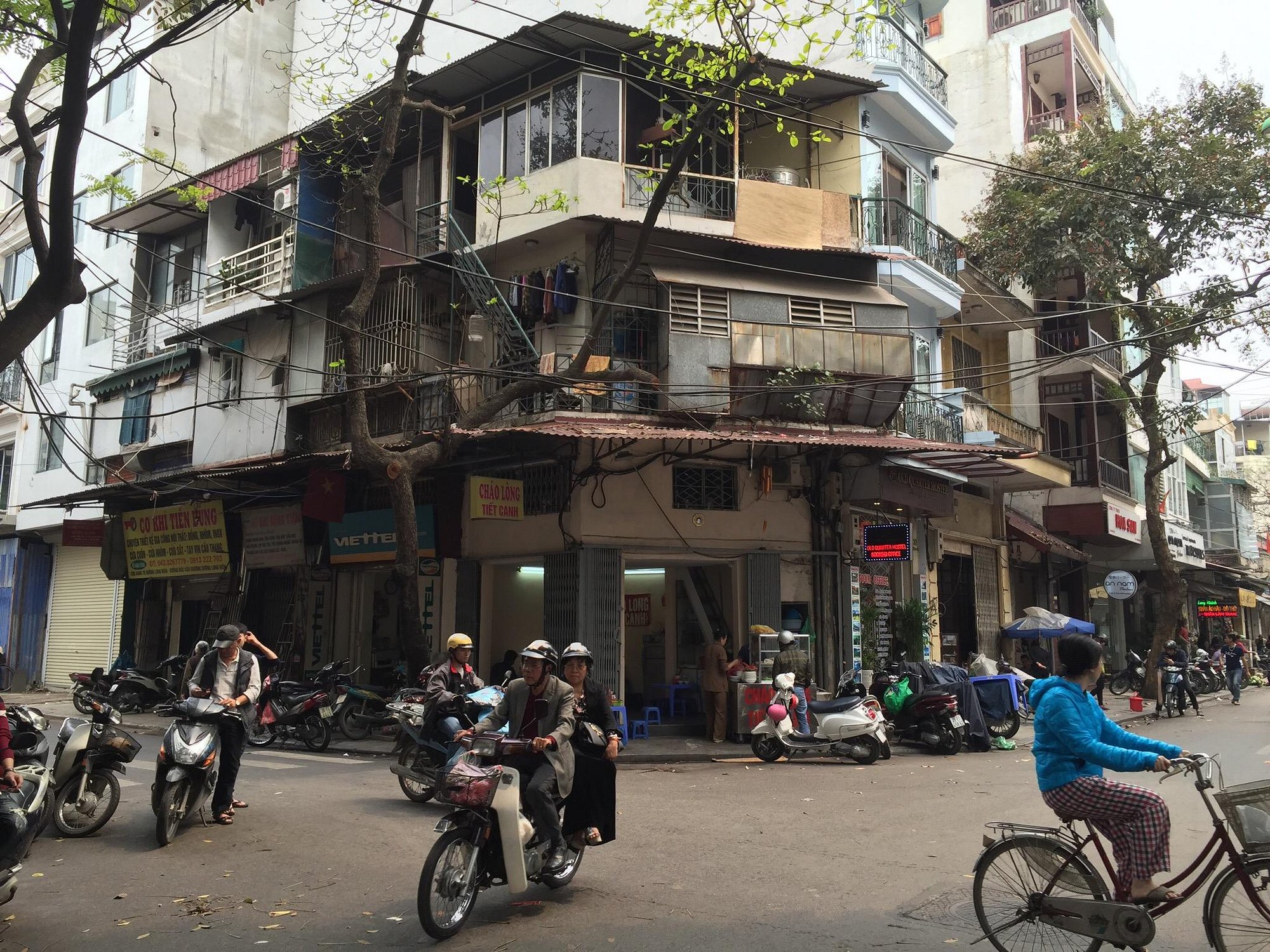
Even with all of this infrastructure, traffic remains one of Hanoi’s biggest challenges. Motorbikes have become the main way people move around the city, gradually replacing bicycles, while the rapid growth in cars has added even more pressure to roads that were never designed for this volume of traffic. By July 2022, Hanoi had more than 7.6 million registered vehicles, including over 6.4 million motorcycles and more than one million cars.
The city is also an important railway hub for Vietnam. Hanoi is the starting point for several national railway lines, with around 162 kilometers of railway running through the city. The most famous route is the Reunification Express, which connects Hanoi with Ho Chi Minh City. The journey covers roughly 1,726 kilometers and takes around 33 hours, passing through many of Vietnam’s major cities and provinces along the way.
Hanoi also has a network of rivers and waterways that run through and around the city, although they play a much smaller role in everyday transportation. As the city continues to grow, the government has been looking at public transportation as a way to reduce congestion and pollution. One of the most ambitious plans was the decision to phase out motorbikes in central Hanoi by 2030 and encourage people to use public transportation instead.
But statistics don’t really explain what it feels like to stand on a street in Hanoi.
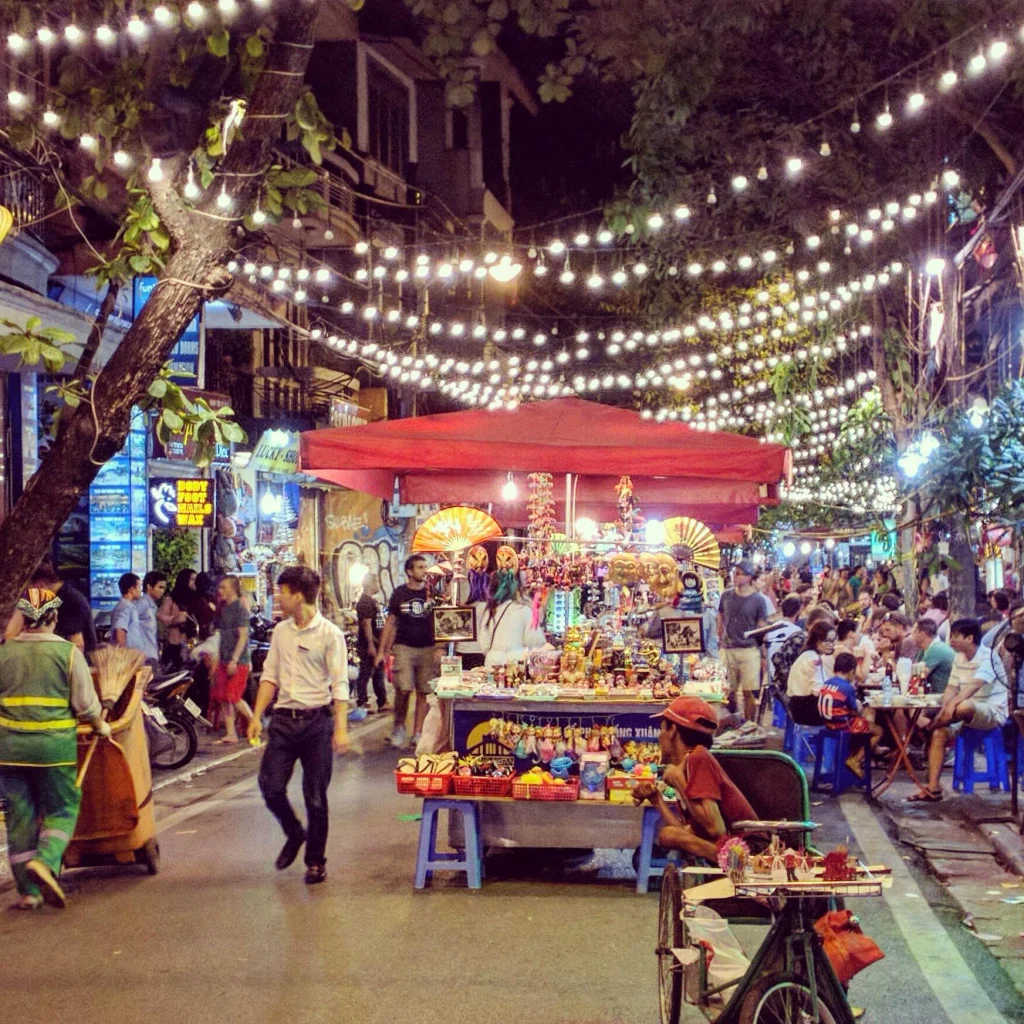
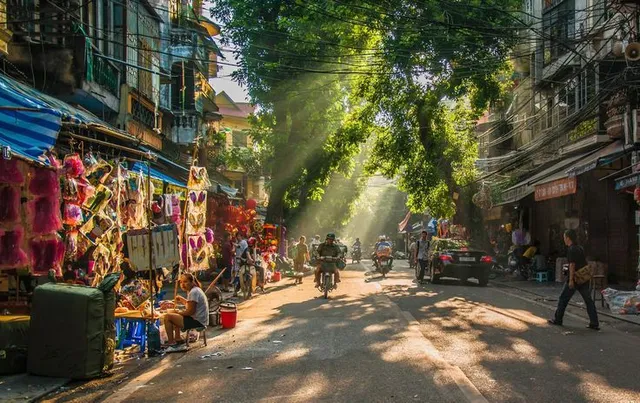
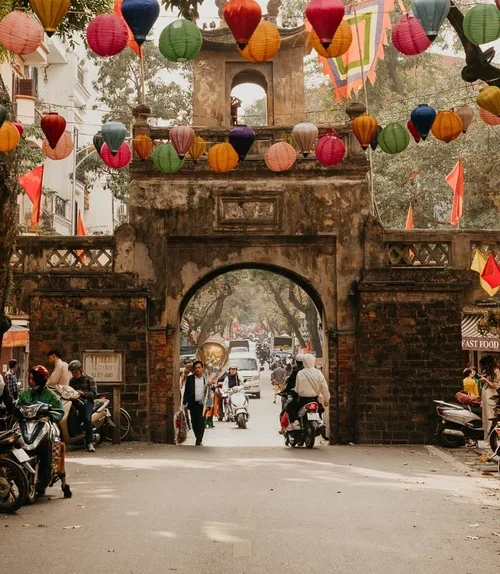
For me, what makes Hanoi so interesting is the sheer energy of its streets. Millions of people, motorbikes, cars, bicycles, buses and pedestrians all seem to move together in a rhythm that can look completely chaotic at first. But after a while, you begin to see that there is a rhythm to it. People understand the movement. They anticipate each other. Somehow, it works.
That movement is a huge part of what gives Hanoi its character.I was staying at 32 Hang Vai Street, but I wasn’t really in Hanoi for the streets, the trains or the traffic. I was there to visit James.
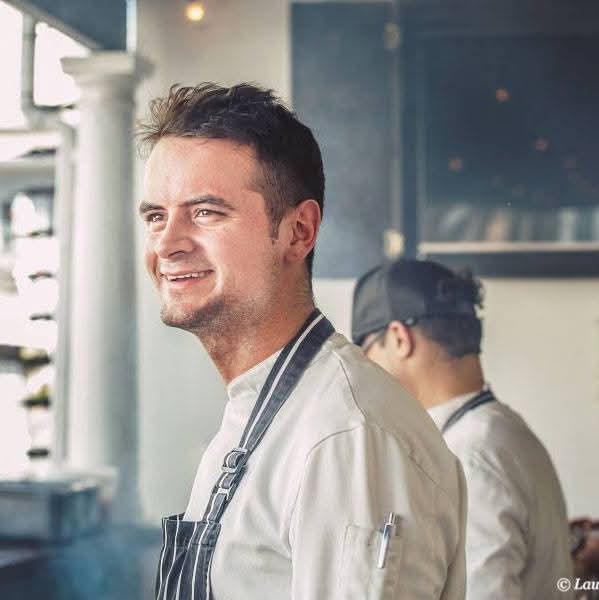
James was a chef I had worked with in Cape Town, and one of those people you meet through kitchens who somehow becomes much more than a colleague. We had shared the pressure, long hours and madness that comes with working in professional kitchens. He was a tall, dark-haired kitchen warrior — the kind of chef who could handle the heat and keep pushing forward when everyone else was ready to stop.
But this trip was different.
James had just become a father.
Seeing him in that new chapter of his life made me look at him differently. The chef was still there — the same intensity, the same warrior spirit — but there was something else now. A new responsibility. A family. A reason bigger than the kitchen.
James is not just a close friend to me. I have a deep respect for the way he commits himself to his family. In our industry, chefs often give everything to the kitchen. The hours are long, the work is demanding, and it can be easy for the restaurant to become your whole world.
Watching James become a father reminded me that there is a life outside the pass. Sometimes, travelling halfway around the world isn’t really about seeing a new city. Sometimes it’s about seeing an old friend in a completely new chapter of his life and watching him thrive.