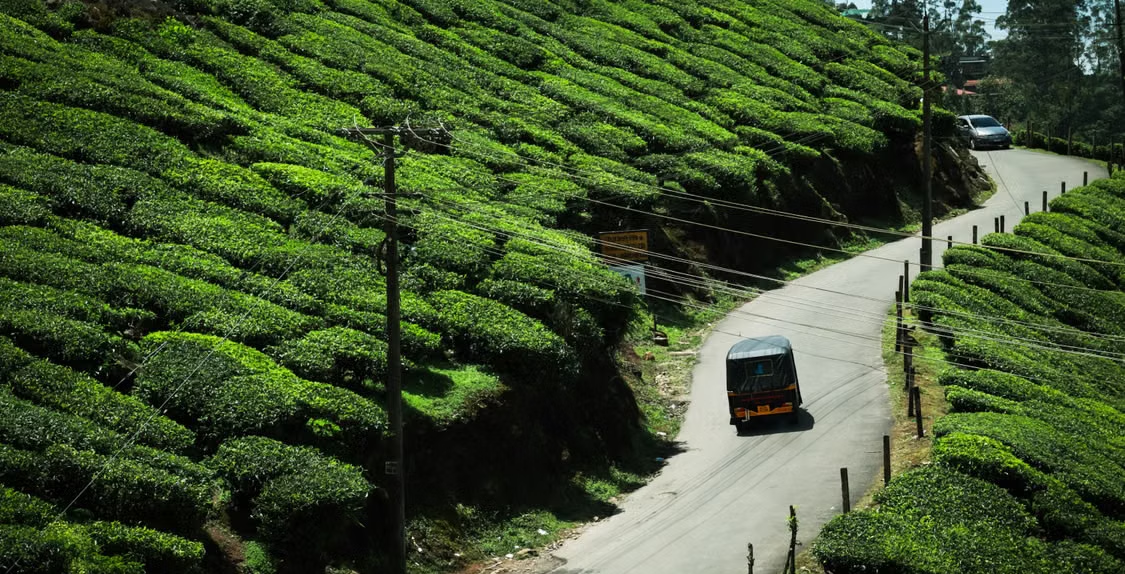
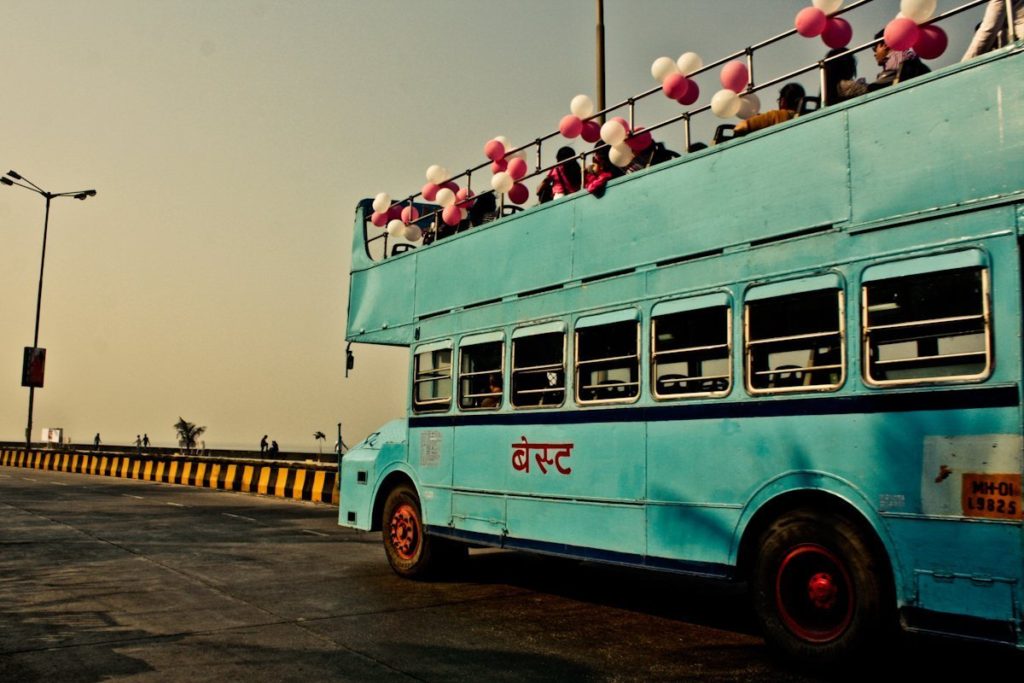
With a bus full of tourists and locals, we raced past acres of Indian gum trees and up onto the hills. Indian bus drivers hold a very special place in my heart. With the motion sickness beginning to kick in, a vada became my saviour, calming my stomach as we climbed higher and higher.Four and a half hours later, we reached our destination: the little sleepy town of Munnar.
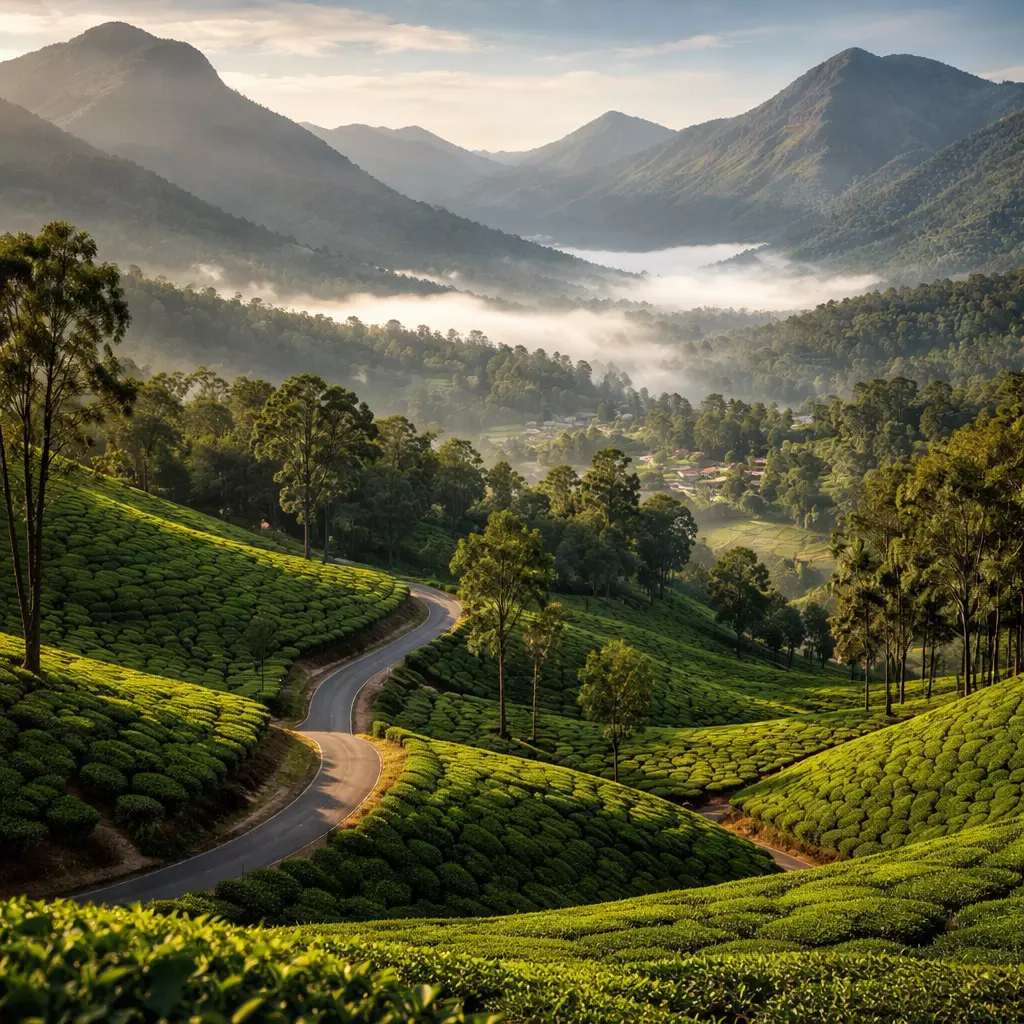
Munnar was the favoured summer resort of the erstwhile British rulers during the colonial days. Today, it is an unending expanse of tea plantations, pristine valleys and mountains, exotic flora and fauna, wild sanctuaries and forests, all wrapped in a fresh, cool climate.
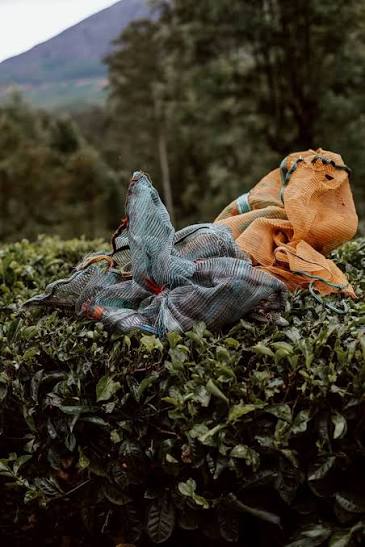
Munnar is an adventure.An early-morning hike—not for the faint-hearted, but certainly a must. We walked up the mountain through perfectly trimmed tea hedges, mist floating through corridors of sunlit, kissed hills. Munnar was showing off, reminding me what the real pleasures in life could be.As we climbed, we passed many hard-working modern-day indentured workers. Their glimmering smiles stared back at me despite the toll their work had taken on them. Soft waves, warm smiles and dirt-covered handshakes. There was something incredibly positive and welcoming about them.
Our tracker was amazing. Steve’s knowledge of these hills was immense, his radar seemingly always on point when it came to finding the hidden treasures of the forest.
To see a cardamom shrub in flower for the first time was, for me, like seeing the Queen’s jewels on display in all their glory. And as we ventured further, the story became greater and greater.Leopard tracks appeared in the soil. Steve pointed out an incredibly sweet passion fruit and told me stories of the Kodaikanal–Munnar road, where encounters with wild animals are not uncommon—bison, leopards, elephants and, occasionally, tigers.We stopped for tea and a banana-leaf breakfast of appam, a type of pancake made from fermented rice batter and coconut milk, common throughout Kerala and also enjoyed in Tamil Nadu. These beautiful white, lacy pancakes had crisp edges and an airy, soft, almost fluffy centre. They were served alongside chutney and sambar.A few hours into the hike, carefully avoiding poisonous ivy, I managed to get my hands on an incredible array of spices and herbs: cinnamon, wild pepper, Arabica coffee beans and wild tulsi, also known as holy basil.
Spices.
They have a way of transporting my soul back to the first wanderers and purveyors of the spice route—the madmen intrigued by Mother Earth and everything she could provide. The crazy ones brave enough to follow the scent of something unknown across mountains, oceans and continents. Perhaps that is what I loved most about Munnar. It wasn’t simply the beauty. It was the feeling that the landscape was still telling an ancient story, one that began long before I arrived and would continue long after I left. Munnar had touched my heart.
But as the rain began to fall and the mist started settling back over the hills, another bus and another adventure awaited me. I said goodbye to my travel buddies, climbed aboard and set off once again.This time, I was heading to the land of Tamil Nadu.Madurai. Madurai is Tamil-born and Tamil-rooted—one of the oldest cities in India. A metropolis that traded with ancient Rome and stood as a great capital long before Chennai was even dreamt of.According to legend, on the day Madurai was to be named, Lord Shiva blessed the land and its people while divine nectar showered from his dreadlocked hair.
The city hence came to be known as Madhurapuri—the City of Divine Nectar.
And so, with the mist of Munnar disappearing behind me, I headed towards a city born from nectar, history and legend. Madurai here I come.